

Ottawa’s fine-dining scene has quietly built a real bench of chef-led tasting menus, the kind of multi-course, no-substitutions dinners that used to require a flight to Toronto or Montreal. Brévant Guide singles out three Ottawa restaurants for this reason exactly: Antheia, Atelier, and Stofa. All three build their service around a fixed, chef-directed progression rather than an à la carte menu, which is what separates a genuinely unique dining experience from just a good dinner out.
TL;DR:
Most Ottawa tasting menus are designed to last between 2.5 and 4 hours, with the longer formats suitable for special occasions and not casual nights.
Booking several weeks in advance is essential for weekend reservations, especially for high-demand restaurants like Atelier that may open their calendars 60 days ahead.
Dietary restrictions should be communicated early during booking, as kitchen substitutions are limited and planned based on the fixed menu ingredients.
Budget expectancies should include not only the menu price but also additional costs for wine or non-alcoholic pairings, tax, and service charges, which can significantly increase the final bill.
The selection of restaurant length and style should match the occasion, with shorter options like Stofa ideal for lighter commitments and longer, multi-hour experiences suited for food enthusiasts or milestone celebrations.
Table of Contents
What to expect at a chef-led tasting menu in Ottawa
A tasting menu isn’t a longer version of dinner. It’s a different format entirely, and knowing the mechanics ahead of time changes how much you enjoy it.
Plan for the evening to run several hours, depending on the restaurant and how many courses are on the menu. Seatings are timed deliberately: the kitchen fires courses to match the pace of the whole dining room, not just your table, so service moves as a unit.
A few things define the format:
-
The menu is fixed. You’re eating what the chef built that season, not assembling your own combination.
-
Substitutions are limited. Kitchens plan purchasing and prep around a set sequence, so swapping ingredients on the fly is often not possible.
-
Courses are timed to arrive together across the room, which keeps the kitchen’s rhythm intact.
-
Pacing is part of the design.
There’s a practical reason chefs favour this model beyond creative control. Locking a fixed menu lets kitchens buy ingredients with precision and cut down on food waste, a trend that has reshaped how tasting menus operate across Canada as more restaurants move toward tasting-only formats to manage cost and labour.
Pro Tip: Eat lightly beforehand, not sparingly. A tasting menu builds in intensity across ten or more courses, and showing up starving usually means you’re full by course six and coasting through the rest.
Dress smart casual to dressy casual unless a restaurant’s site says otherwise, and mentally pace yourself. This is a slow build, not a race to the bill.
Brévant Guide’s Ottawa selections: Antheia, Atelier, Stofa
Brévant Guide has narrowed its Ottawa picks to three restaurants, each representing a different point on the tasting-menu spectrum. Here’s what separates them.
Antheia runs a focused, chef-driven tasting menu built around a tighter course count than some of its Ottawa peers. It’s the pick for diners who want the tasting-menu format, the narrative arc of a chef’s seasonal menu, without committing an entire evening to it. Best for: a special dinner that still leaves room for a nightcap somewhere else.
Atelier is the city’s most ambitious commitment. It’s built its reputation on a highly progressive, modernist tasting format. This isn’t a casual Tuesday dinner. It’s a deliberate, technical performance, and it’s recognized regionally for exactly that reason. Best for: milestone occasions, food-obsessed travellers, and anyone who wants to see modernist technique taken to its logical extreme.
Stofa takes the shorter, more approachable route: a 5-course table d’hôte menu priced at $115 per person, plus tax and beverages, served Wednesday through Saturday. It delivers the chef-led tasting format without the multi-hour marathon. Best for: a date night or a first taste of tasting-menu dining without the full Atelier-length commitment.
-
Antheia: focused multi-course tasting, moderate length
-
Atelier: 7-course progressive format, roughly three-hour seatings
-
Stofa: 5-course table d’hôte, $115 per person, Wednesday to Saturday
Choosing between them comes down to how much evening you’re willing to give up, and what kind of night you’re actually planning.
How to plan and book a tasting-menu night in Ottawa
Booking a tasting menu takes more forethought than a regular dinner reservation, mostly because these rooms have far fewer seats to sell.
-
Book early. Weekend seatings at Ottawa’s tasting-menu restaurants often fill weeks ahead, and some venues open their booking calendar on a set schedule, such as 60 days out. If you have a specific date in mind, especially a Friday or Saturday, don’t wait until the week of.
-
Arrive on time. Because courses are synchronized across the dining room, arriving late doesn’t just delay your table. It can throw off the kitchen’s timing for other guests too, which is one reason strict arrival windows are common at this style of restaurant.
-
Flag dietary restrictions early. Give the restaurant advance notice, ideally at the time of booking, rather than at the table. Full substitutions may not always be possible on short notice, since the kitchen has often already built its purchasing around the fixed menu.
-
Budget beyond the menu price. A pairing add-on, tax, and service charge can push the final bill well past the printed price.
A quick number to plan around: figure on 2 to 3 hours of table time for a full tasting-menu dinner, and treat pairing costs as a near-equal line item to the menu itself when you’re setting a budget for the night.
How to choose the right tasting menu for your occasion
Not every occasion calls for a multi-course marathon, and matching the format to the night matters more than picking the “best” restaurant on paper.
Start with length. A long progressive format is a rare, deliberate choice locally, and it should be chosen for the right occasion rather than out of habit. A shorter table d’hôte format can deliver the same level of chef expression in a fraction of the time, which matters if you’ve got a babysitter on the clock or an early flight the next morning.
-
Ask whether the restaurant offers wine or non-alcoholic pairings, and whether pairings are optional or built into the price.
-
Check formality: some rooms lean toward white-tablecloth service, others keep things more relaxed and conversational.
-
If you want to watch the kitchen work, ask about chef’s table or open-kitchen seating when you book.
-
For a private celebration, ask if a smaller private room or a curtained section is available.
Pro Tip: If you’re torn between two restaurants, call and ask how many courses and how long the seating typically runs. That single question tells you more about fit than a menu description ever will.
Before you confirm, ask directly: how long should we plan for, can you accommodate our dietary needs, and is there a deposit or cancellation policy? Those three questions solve most of the surprises that come with tasting-menu dining.
Beyond tasting menus: other unique dining formats in Ottawa
Chef-led tasting menus are only one branch of Ottawa’s broader “unique dining experiences” scene, and it’s worth knowing what else exists even if it sits outside Brévant’s curated Ottawa picks.
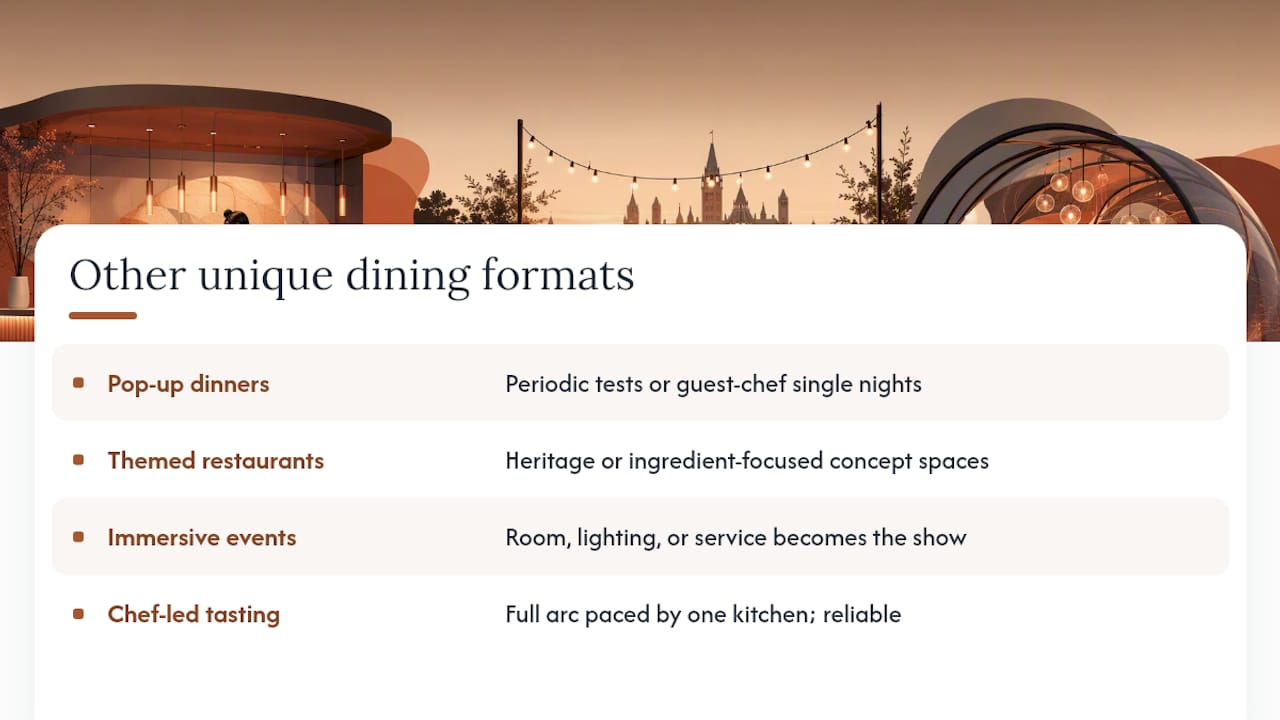
Pop-up dinners show up periodically around the city, often run by chefs testing a concept before committing to a permanent space, or by touring guest chefs collaborating with a local kitchen for a single night. Themed restaurants, everything from heritage-focused rooms leaning into Franco-Ontarian or Algonquin culinary traditions to concept spaces built around a single ingredient or cooking method, add another layer of variety. Immersive dining events, where the room, the lighting, or the service format itself becomes part of the show, occasionally rotate through the city’s event calendar as well.
None of these formats replace what a chef-led tasting menu offers. A pop-up might give you one striking dish; a tasting menu at Antheia, Atelier, or Stofa gives you a full arc, built and paced by one kitchen with a clear point of view. If you’re specifically hunting for that structured, chef-directed experience rather than a one-off event, the tasting-menu route is a more reliable bet, which is why a selective guide might focus there rather than on rotating pop-ups or themed concepts.
How Ottawa’s seasons and culture shape tasting menus
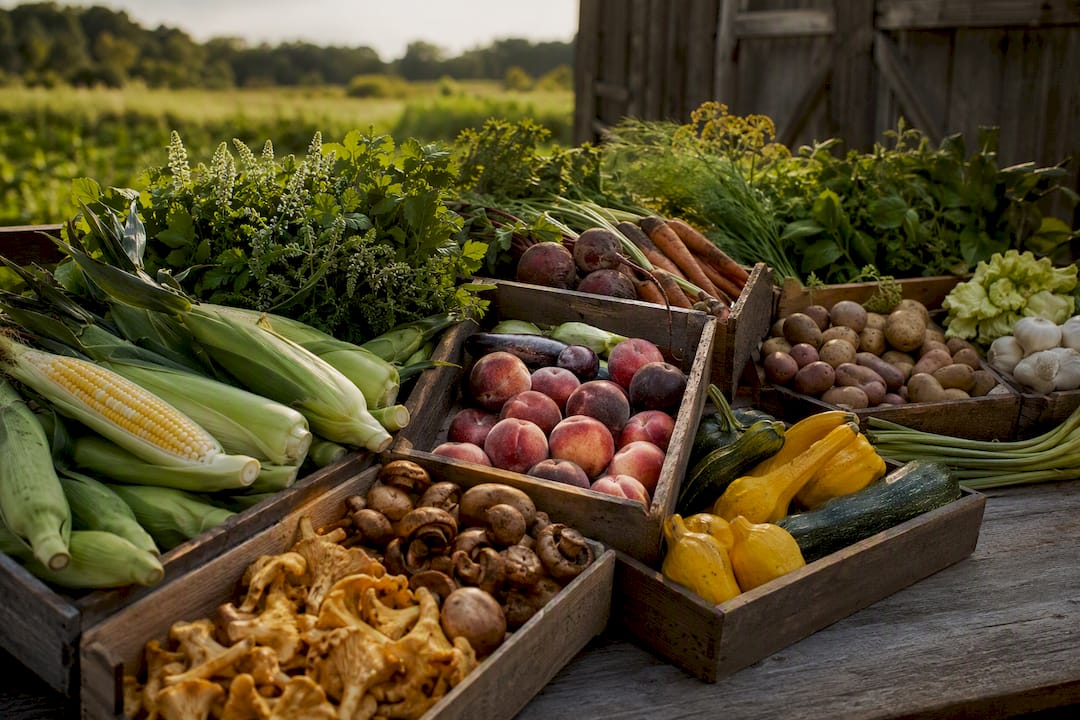
Ottawa’s tasting menus shift noticeably with the calendar, and that seasonal rhythm is part of what makes the format interesting to follow year over year. Kitchens sourcing from the Ottawa Valley and eastern Ontario farms tend to lean hard into whatever’s peaking, corn and stone fruit through late summer, root vegetables and squash by October, foraged mushrooms and game in the fall.
Winter changes the tone entirely. With a tasting menu already asking guests to commit several hours indoors, colder months often bring heavier, more layered courses and a slower, more deliberate pace that suits the season.
The city’s bilingual, dual-heritage food culture also surfaces in menu language and technique. It’s common to see French culinary technique paired with ingredients or references drawn from the wider National Capital Region’s food traditions, a blend that shows up more in Ottawa’s fine-dining rooms than in most other Canadian cities of similar size. If you’re planning a visit around a specific season, ask the restaurant directly what’s currently on the menu. Fixed tasting menus change often enough that what you read online in the spring may look nothing like what’s served by fall.
Finding emerging tasting-menu spots before they get busy
Ottawa’s fine-dining scene turns over more than people expect, and the best way to catch a rising kitchen is to pay attention before it lands on every list in town.
Local food journalism, city-specific outlets covering restaurant openings and chef moves, tends to break news on new tasting-menu concepts months before broader recognition follows. Chefs also move between kitchens more than diners realize, so following a specific chef, rather than just a restaurant name, can lead you to their next project early. Social media accounts run by the chefs themselves, rather than the restaurant’s official page, often post test menus and early service details well before a formal opening.
Word of mouth from serious home cooks and industry staff, servers, sommeliers, line cooks moving between restaurants, still carries weight in a city this size. If you eat at Antheia, Atelier, or Stofa and strike up a conversation with staff, ask what else they’re excited about. It’s one of the most reliable, and least algorithmic, ways to hear about a promising new tasting menu before it’s fully booked out.
Getting to Ottawa’s tasting-menu restaurants
Most of Ottawa’s standout tasting-menu rooms sit within or close to the downtown core, which makes getting there straightforward if you plan around the evening’s length rather than just the drive.
Given that a tasting menu can run 2 to 3 hours and often includes wine pairings, arranging a taxi, rideshare, or a designated driver in advance is worth doing before you sit down, not after. OC Transpo’s O-Train and bus network covers much of the downtown and Byward Market area well, but service frequency drops late in the evening, so check return times before committing to transit for a dinner that might run past 10 p.m.
Parking near Ottawa’s downtown dining strip fills up fast on weekends, particularly around events at the Canadian Tire Centre or Parliament Hill. If accessibility is a concern, whether mobility, seating preferences, or specific room access, call ahead. Fixed-seating tasting-menu rooms often have limited flexibility on the night itself, so any accommodation request is easier to sort out at the time of booking.
Why tasting menus remain important in Canada’s dining scene
Tasting menus give chefs something à la carte service rarely allows: full control over pacing, composition, and how a set of ingredients gets used across an entire evening. That control is also practical. Locking a fixed sequence lets kitchens plan purchasing precisely and cut down on food waste, a shift that’s reshaped tasting-menu economics across Canada in recent years.
The format has also loosened up. Alongside formal, multi-hour spectacles sit more relaxed, communal tasting experiences that ask less of a guest’s evening. That range is exactly why a curated, city-specific guide matters: it saves diners from guessing which end of the spectrum a restaurant actually occupies before they book.
— Brévant
Find Ottawa’s tasting-menu picks through Brévant Guide
This restaurant guide takes a selective approach to coverage rather than listing every kitchen in the city. For Ottawa, that means three restaurants made the cut, Antheia, Atelier, and Stofa, each chosen for its chef-led tasting-menu strength rather than general popularity.
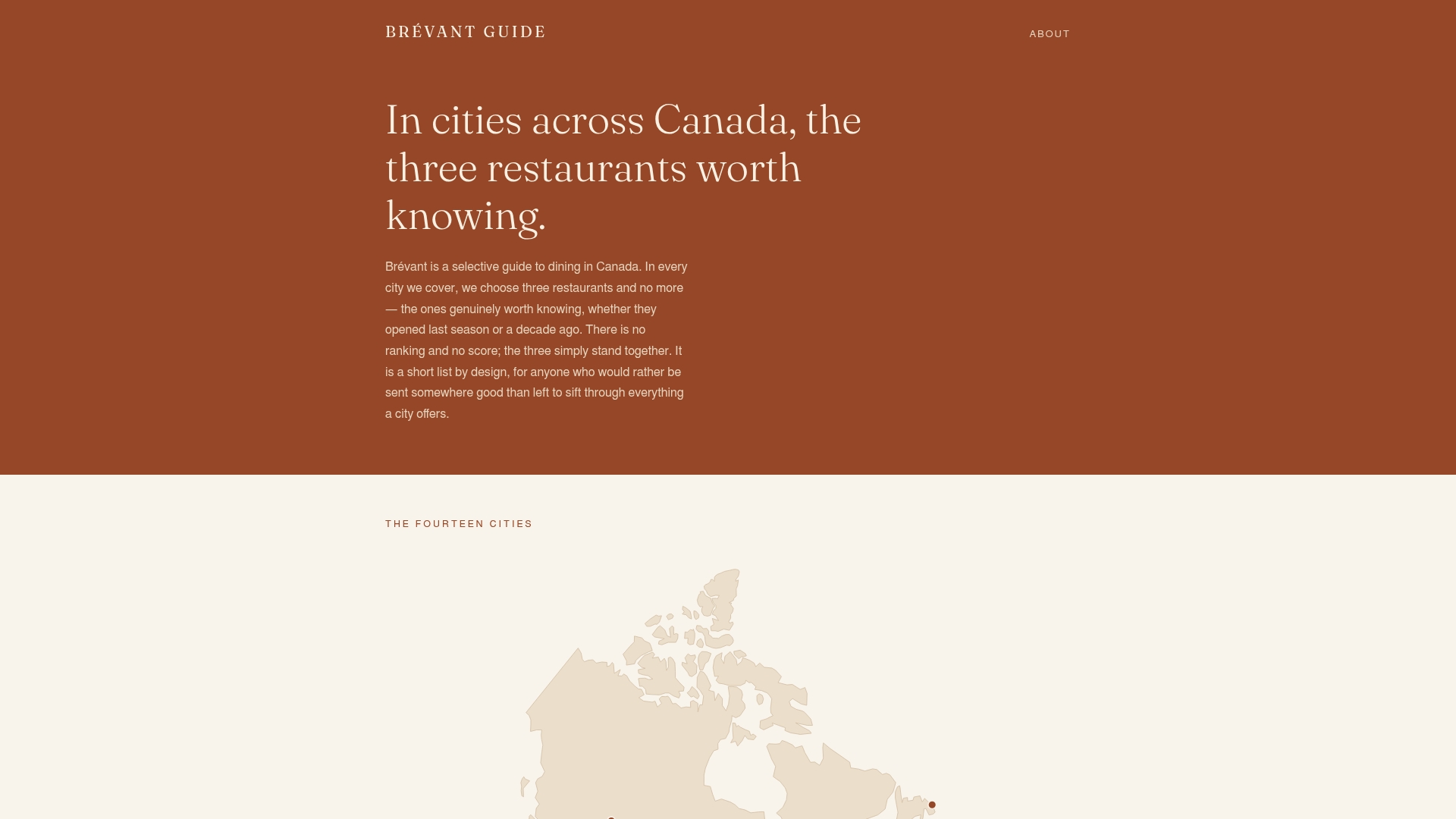
If you’re planning a night around one of these three, the fastest way to confirm details, current menus, seating times, and pricing, is to go straight to the restaurant’s own page before you book. Brévant’s Ottawa restaurant guide is the place to start if you want the full picture on why each of these three made the list, and Brévant covers the same kind of curated, chef-led dining across other Canadian cities too, including Montréal and Calgary, if your travel plans extend beyond the capital. Check current availability directly with the restaurant before locking in a date, since tasting-menu seatings move fast once a weekend fills.
FAQ
How long does a tasting menu dinner take in Ottawa?
Most Ottawa tasting menus run 2 to 3 hours, with some venues suggesting closer to 3 to 3.5 hours as a planning benchmark.
How far ahead should I book a tasting-menu restaurant in Ottawa?
Book several weeks ahead for weekend seatings, and check whether the restaurant releases reservations on a set schedule, such as 60 days out, for high-demand dates.
What are Brévant Guide’s picks for Ottawa tasting menus?
Brévant Guide highlights three Ottawa restaurants: Antheia, Atelier, and Stofa, each offering a different length and style of chef-led tasting menu.
Can I request dietary substitutions on a tasting menu?
Give the restaurant advance notice, ideally when booking, since kitchens plan purchasing around the fixed menu and full substitutions may not be possible the night of.
How much should I budget for a tasting menu with pairings?
Menu prices vary by restaurant, for example $115 per person at Stofa’s 5-course table d’hôte, and pairings, tax, and service charges typically add a substantial amount on top of the base price.